

If your yard floods after heavy rain or water starts pooling near your home, your drainage system may not be doing its job. In Florida, where storms are frequent and intense, choosing the right solution is essential.
When comparing french drain vs surface drainage, the right option depends on how water moves across and beneath your property. This guide breaks down the differences, explains key drainage system types, and helps you decide which solution will best protect your home.
Why Drainage Systems Matter More in Florida
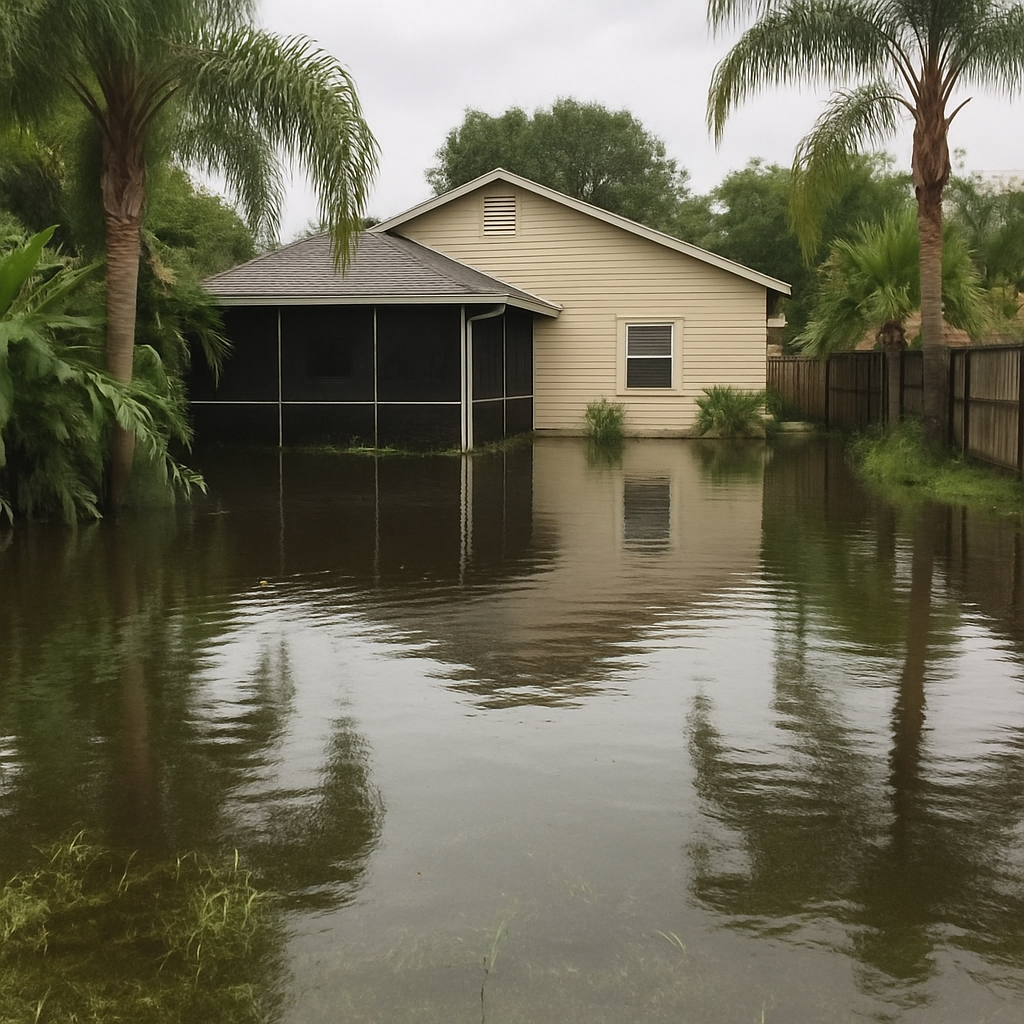
Florida’s weather creates the perfect conditions for drainage problems. Heavy rainfall, flat terrain, and dense soil make it difficult for water to drain naturally.
Without proper drainage, water can sit around your home and cause:
- Foundation damage
- Soil erosion
- Mold and mildew growth
- Landscape destruction
This is why understanding the different types of storm water drainage system is important for long-term protection.
Understanding Drainage System Types
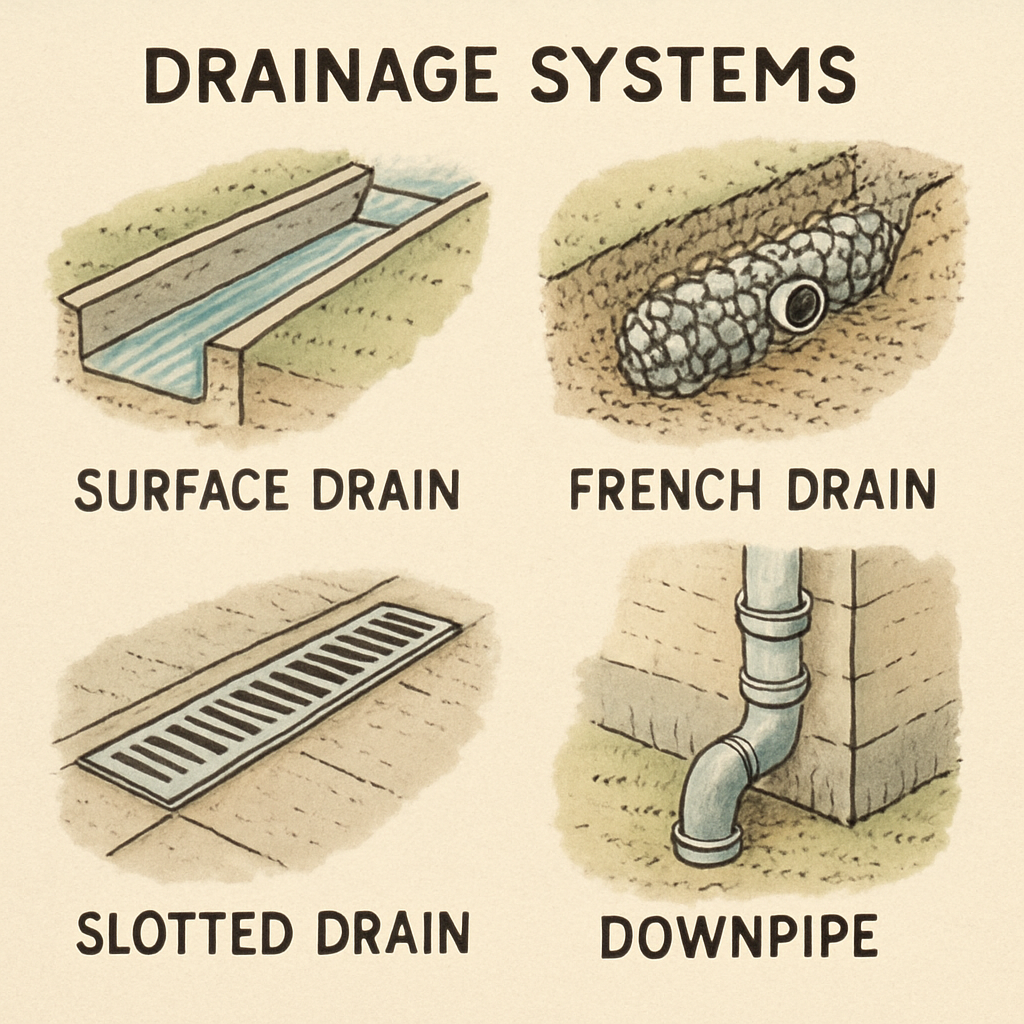
Before comparing systems, it helps to look at the most common drainage system types used in residential properties.
These include:
- Surface drainage systems
- Subsurface drainage systems
- French drains
- Slope drainage systems
- Downspout and gutter systems
- Channel drains
Each system is designed to solve a specific type of water problem, and in many cases, combining them creates the most effective solution.
What Is Surface Drainage?
Surface drainage systems are designed to remove water that collects on top of the ground.
They use shallow channels or slopes to guide water away from your home and into a safe discharge area.
Surface drainage is typically used for:
- Lawns that flood after rain
- Driveways and patios
- Areas with visible standing water
This type of system is often the simplest solution and works well as a first line of defense.
What Is a French Drain?
A French drain is an underground system that redirects water before it reaches the surface.
It consists of a perforated pipe surrounded by gravel, which collects water and carries it away from problem areas.
French drains are commonly used for:
- Protecting foundations
- Eliminating soggy yards
- Managing underground water buildup
Proper french drain installation is critical to ensure the system works efficiently and lasts for years.
French Drain vs Surface Drainage: Key Differences
Understanding french drain vs surface drainage comes down to how and where the water is being managed.
Surface drainage works above ground and is ideal for visible water pooling. It is easier to install and provides immediate results for surface-level issues.
French drains work below ground and are better suited for hidden moisture problems. They are more complex to install but offer long-term protection against water damage.
Both systems are part of broader types of storm water drainage system, and choosing the right one depends on your specific situation.
When to Choose Surface Drainage
Surface drainage is the better option when water problems are easy to see.
It is ideal if:
- Water pools on your lawn after rain
- Your property is flat
- You need a quick and cost-effective solution
This system helps move water away quickly and prevents it from settling near your home.
When to Choose a French Drain
A French drain is more effective when water issues are happening below the surface.
It is the right choice if:
- Your yard stays wet for days
- Water is affecting your foundation
- You have poor soil drainage
Professional french drain installation ensures the system is properly graded and positioned for maximum performance.
Can You Use Both Systems Together?
In many Florida homes, the best solution is not one or the other, but both.
Surface drainage can remove excess water quickly, while a French drain handles moisture beneath the surface.
Using both systems together creates a more complete drainage solution and improves overall performance.
Signs You Need a Drainage System Upgrade
Drainage issues often start small but can quickly become serious if ignored.
You may need to upgrade your system if:
- Water pools around your home
- Your lawn feels constantly soggy
- Cracks appear in your foundation
- Water collects near your walls
- Drainage problems keep coming back
Upgrading with the right drainage system types can prevent long-term structural damage.
How to Choose the Right Drainage Solution
Choosing the right system depends on several factors unique to your property.
Key considerations include:
- Soil type and drainage capacity
- Yard slope and layout
- Severity of water issues
- Frequency of heavy rainfall
A professional inspection can help determine which of the types of storm water drainage system will work best for your home.
Why Professional Installation Matters
Drainage systems require proper planning and execution. Even small mistakes in installation can lead to long-term problems.
A professional contractor will:
- Evaluate your property’s drainage needs
- Recommend the right solution
- Ensure proper installation and grading
- Provide long-lasting results
This is especially important for french drain installation, where precision is key to performance.
Conclusion
Choosing between french drain vs surface drainage depends on how water affects your property. Surface drainage handles visible water quickly, while French drains manage hidden moisture beneath the ground.
Understanding the different drainage system types and types of storm water drainage system allows you to make the right decision and protect your home from costly damage.If you are dealing with drainage issues or flooding, Diversified Plumbing Services is ready to help. Call (239) 850-6674 or email info@servicedps.com to schedule an inspection.