


If your AC has been acting up lately, you’ve probably asked yourself this question more than once: should I just repair it again, or is it finally time to replace it?
At first glance, replacing your AC feels like a big expense. But when you look at the bigger picture, it often turns out to be the smarter move. Between rising energy bills, constant repairs, and uneven cooling, an older system can quietly drain your money over time.
In this guide, we’ll break things down in a simple way, what you’re really paying for, how newer systems improve comfort, and where the real AC unit long-term savings come in.
Why It’s So Easy to Put Off Replacing Your AC
Most homeowners don’t rush into replacing their AC unit, and that makes sense. If it’s still running, even if it’s not perfect, it feels easier to just keep it going.
You might tell yourself:
- “It just needs one more repair.”
- “It’s still cooling, so it’s fine.”
- “I’ll deal with it next summer.”
But here’s the thing, AC systems don’t suddenly stop working overnight. They slowly lose performance. That means you’re already paying the price long before the unit fully breaks down.
That gradual drop in air conditioner efficiency is what often goes unnoticed.
What an Old AC Unit Is Really Costing You
An aging AC system doesn’t just affect comfort, it affects your wallet in ways that aren’t always obvious at first.
Your Energy Bills Keep Creeping Up
Older systems work harder to do the same job. Even if you haven’t changed your usage, your monthly bill might be climbing. That’s your AC struggling to keep up.
Repairs Start Becoming Routine
At some point, repairs stop being occasional and start becoming expected. One fix leads to another, and before you know it, you’ve spent a significant amount just trying to keep the system alive.
Cooling Becomes Inconsistent
You might notice some rooms feel fine while others stay warm. Or your AC runs longer but doesn’t cool as quickly. That’s a sign your system is no longer performing the way it should.
It’s Not Just Wear and Tear, It’s Inefficiency
Even if your unit still runs, it may be operating far below modern standards. That gap in performance directly impacts your AC unit long-term savings, often more than homeowners realize.
What Changes When You Upgrade to a New System
This is where things start to shift in your favor.
Modern AC systems are built differently. They’re designed to cool your home faster, use less energy, and maintain a steady temperature without overworking.
With improved air conditioner efficiency, you’ll likely notice:
- Your home cools down quicker
- Temperatures stay more consistent
- Your system doesn’t have to run as long
- Your energy usage drops
It’s not just about getting cold air, it’s about getting it efficiently and consistently.
Let’s Talk About AC Unit Long-Term Savings
This is where replacing your system really starts to make sense.
When you upgrade your AC, you’re not just buying a new unit, you’re reducing ongoing costs.
Lower Monthly Bills
A more efficient system uses less energy. That means every month, you’re spending less to keep your home comfortable.
Fewer Unexpected Expenses
No more surprise breakdowns or emergency repair calls during the hottest days of the year.
Better Reliability
You can count on your system to work when you need it most, without constantly worrying about what might fail next.
More Value Over Time
When you add it all up, the savings over several years can outweigh the initial cost of the unit.
That’s the real value behind AC unit long-term savings, it’s not instant, but it builds steadily.
Sustainable Air Conditioning Isn’t Just a Trend
A lot of homeowners are starting to think about energy use in a different way, and for good reason.
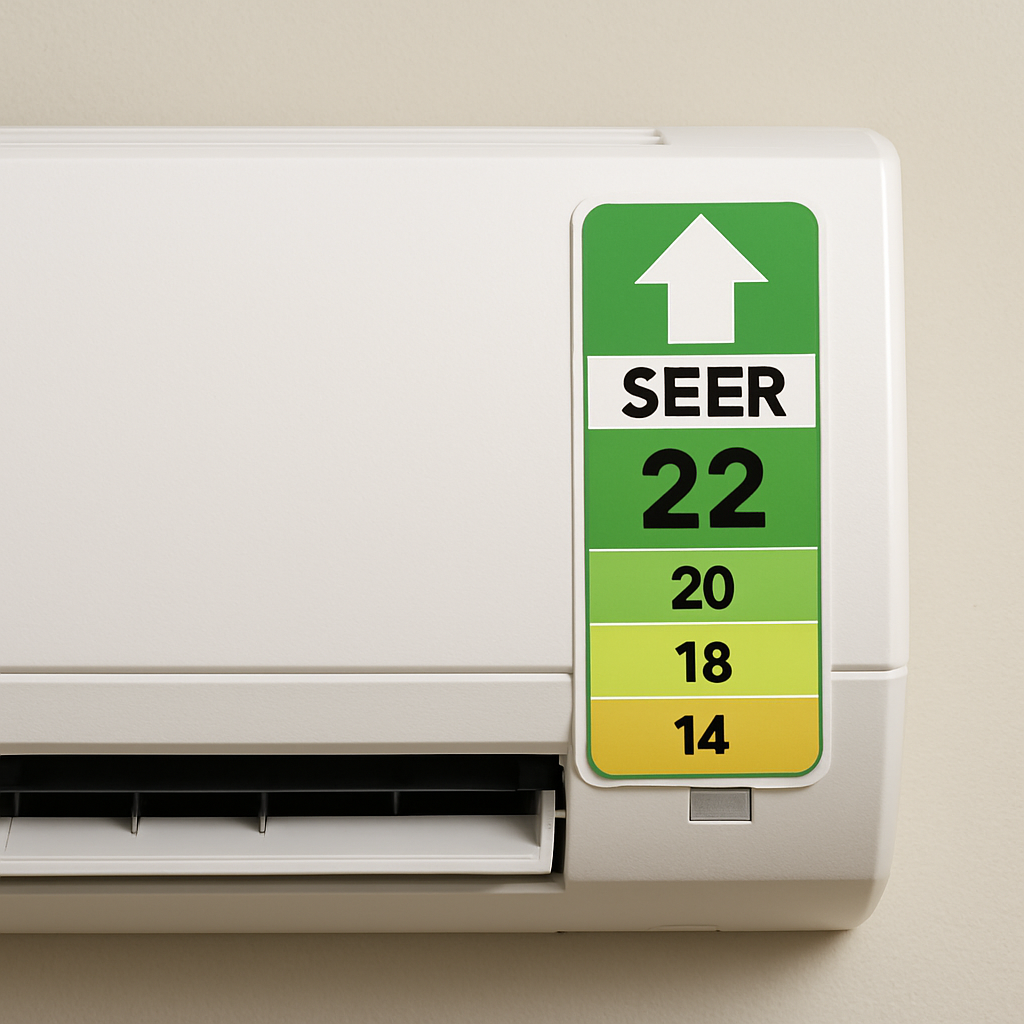
New systems support sustainable air conditioning, meaning they use less power while still delivering strong performance.
That comes with a few benefits:
- Lower energy consumption
- Reduced environmental impact
- More efficient cooling overall
It’s a win-win. You save money, and your system works smarter, not harder.
When Replacing Your AC Actually Makes More Sense
There’s a point where continuing to repair your AC just doesn’t add up anymore.
Here are some clear signs you might be there:
- Your system is over a decade old
- Repairs are becoming more frequent
- Your energy bills feel unusually high
- Cooling is inconsistent or slow
- Your unit struggles during peak heat
If you’re dealing with more than one of these, replacing home AC unit is often the better long-term decision.
Looking Beyond the Price Tag
It’s easy to focus on the upfront cost of a new AC system. That’s usually the biggest hesitation.
But the real question is: what are you paying over time?
Keeping Your Old System
- Higher energy bills
- Ongoing repair costs
- Lower performance
Upgrading to a New System
- Lower monthly expenses
- Fewer repairs
- Better comfort
Once you shift your thinking from short-term cost to long-term value, the decision becomes clearer.
Why Florida Homes Feel This Even More
If you live in Florida, your AC works harder than most.
With constant heat and humidity, your system is almost always running. That extra workload speeds up wear and tear and reduces overall lifespan.
This is why many Florida homeowners end up considering replacing home AC unit sooner than expected. The climate simply demands more from your system.
Upgrading to a more efficient unit helps handle those conditions without overworking your system.
Common Mistakes to Avoid When Replacing Your AC
Even when you decide to replace your unit, there are a few things that can go wrong if you’re not careful.
Choosing the Wrong Size
Bigger isn’t always better. A system that’s too large or too small won’t perform efficiently.
Going for the Cheapest Option
Lower upfront cost can mean higher operating costs later.
Ignoring Installation Quality
Even the best system won’t perform well if it’s not installed correctly.
Getting these details right ensures you actually benefit from improved air conditioner efficiency and long-term performance.
Why Installation Makes All the Difference
A new AC system is only as good as how it’s installed.
Proper installation ensures:
- Balanced airflow
- Correct system sizing
- Maximum efficiency
- Long-term reliability
This is one of the biggest factors in achieving real AC unit long-term savings. Without it, even a new system can fall short.
Conclusion
So, is it worth replacing your AC unit?
In many cases, yes. While it may feel like a big investment upfront, the long-term benefits, lower energy bills, fewer repairs, and better comfort, make it a smart move for many homeowners.
If your system is starting to show its age or costing you more than it should, it may be time to seriously consider replacing home AC unit with something more efficient and reliable.If you’re not sure where to start, Diversified Plumbing Services can help you make the right call. Call (239) 850-6674 or email info@servicedps.com to schedule an inspection.
